
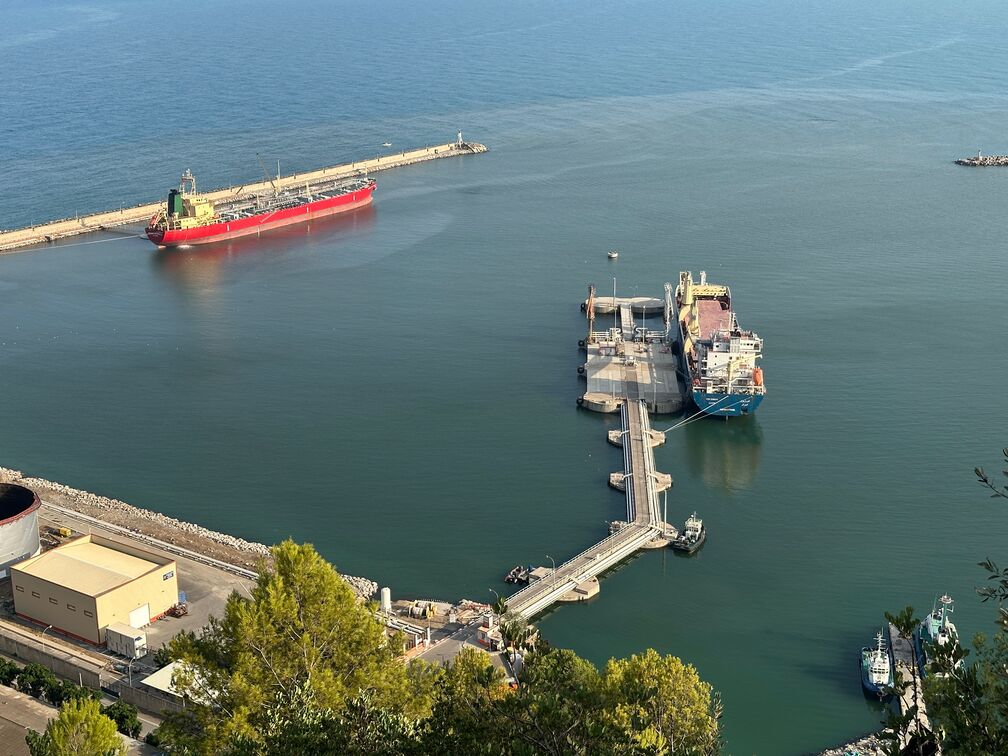
The Port Facility Security Officer (PFSO) role is a mandatory competency framework established under the International Ship and Port Facility Security (ISPS) Code, developed by the International Maritime Organization (IMO) as Chapter XI-2 of the SOLAS Convention. Following global maritime security mandates, every port facility serving international trade must designate a certified PFSO responsible for developing, maintaining, and executing the Port Facility Security Plan (PFSP).
Capgrow’s training equips maritime and port personnel with the practical skills required to conduct security assessments, manage threat levels, supervise access controls, and maintain regulatory compliance with national maritime authorities and the IMO framework.
Important Note on Course Administration:
Capgrow provides executive maritime training aligned with IMO Model Course 3.21 for Port Facility Security Officers. Participants completing the course receive a professional Certificate of Completion/Attendance validating their technical knowledge in PFSO duties and ISPS Code compliance.
1. Target Audience & Prerequisites
PFSO training is designed for professionals responsible for security operations, risk management, and facility leadership at maritime ports and offshore terminals:
- Target Roles: Designated PFSOs, Deputy Security Officers, Port Facility Managers, Terminal Operations Supervisors, Harbor Police Officers, Maritime Security Inspectors, and HSE Managers.
- Recommended Prerequisites: Experience in port operations, maritime logistics, facility security management, or naval/coast guard service.
2. Core Pillars of the ISPS Code & PFSO Competencies
Capgrow’s PFSO course covers the primary functional duties established under IMO Model Course 3.21 and Section A/17 of the ISPS Code:
- Port Facility Security Assessment (PFSA): Conducting comprehensive risk and vulnerability assessments to identify critical infrastructure, potential threat scenarios, and security weaknesses across port perimeters.
- Port Facility Security Plan (PFSP): Developing, implementing, and updating the official PFSP approved by the Designated Authority (DA).
- Managing Maritime Security (MARSEC) Levels: Executing operational security procedures across all three ISPS threat levels:
- MARSEC Level 1 (Normal): Minimum appropriate protective security measures maintained at all times.
- MARSEC Level 2 (Heightened): Additional protective security measures maintained for a period of time as a result of heightened risk of a security incident.
- MARSEC Level 3 (Exceptional): Specific protective security measures maintained for a limited period when a security incident is probable or imminent.
- Access Control & Perimeter Security: Managing identification systems, cargo screening, vessel-to-facility interface, restricted area monitoring, and security equipment maintenance (CCTV, intrusion detection, screening devices).
- Declaration of Security (DoS): Coordinating and executing formal Declarations of Security between the Ship Security Officer (SSO) and PFSO when interfacing at the quay.
How Capgrow Supports Your Learning:
Trainees enrolled in Capgrow’s PFSO Training participate in practical security assessment exercises, drafting mock Port Facility Security Plans and running tabletop emergency response drills.
3. Security Drills, Exercises & Audit Readiness
To ensure continuous security readiness and satisfy flag state / port state control audits, the PFSO must oversee ongoing testing:
- Security Drills: Executing operational drills at least once every 3 months to test specific security components (e.g., access control breaches, unidentified baggage response).
- Security Exercises: Conducting full-scale or tabletop exercises at least once per calendar year (with no more than 18 months between exercises) involving port authorities, ship security personnel, and national emergency services.
- Record Keeping & Audits: Maintaining auditable security logs, training records, calibration reports, and incident logs for regulatory inspection.
4. Practical Outcomes for Your Organization
Mastering PFSO responsibilities enables terminal and port security teams to:
- Ensure Full Regulatory Compliance: Avoid port closures, detention of visiting vessels, or fines from maritime authorities for ISPS non-compliance.
- Mitigate Maritime Security Risks: Safeguard critical port infrastructure against piracy, terrorism, stowaways, contraband smuggling, and unauthorized access.
- Streamline Ship-to-Shore Operations: Maintain seamless, rapid security clearances for international cargo vessels and passenger ships.
5. Continuing Education & Professional Development
Completing Capgrow’s PFSO training earns Continuing Professional Development (CPD) hours or professional development units (PDUs) applicable toward maintaining credentials with international maritime, security, and logistics organizations.
For more information on certification, please refer here.